

Eleven investigators and teams were awarded grants in support of cancer research projects in the spring 2025 cycle of the UCSF Resource Allocation Program (RAP). Funded by various agencies across UCSF, the awards span a range of topics from establishing a tumor board in Tanzania to developing a novel CRISPR therapy for breast cancer brain metastasis.
RAP is a campus-wide program that bi-annually facilitates intramural research funding opportunities and seeds high-quality, high-impact, timely research. The program offers many benefits for investigators and campus agencies, including a single application, a streamlined review process, and access to funding that has a typical funding rate of 30 percent.
Read more about the recent awardees and their cancer research projects below.
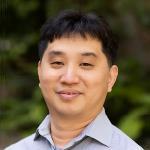
Kang Wang, MD, PhD
Assistant Professor of Radiology, UCSF
Project: Development and Validation of an AI-Driven Clinical Decision Support System for Surgical Planning in Pancreatic Adenocarcinoma
Award Mechanism: Pilot Award for Pancreas Cancer
Can you describe the focus of your project in a few sentences?
Our AI-driven clinical decision support system addresses one of the most challenging decisions in pancreatic cancer care: determining whether a patient's tumor can be safely and completely removed through surgery. The technology automatically analyzes CT scans to identify tumors and surrounding blood vessels, then assesses their relationships to predict surgical outcomes with greater accuracy and consistency than current methods. This system will help surgeons make more informed decisions about which patients are good candidates for potentially life-saving surgery. Additionally, it makes specialized pancreatic cancer expertise available to hospitals and regions that may lack experienced specialists. By reducing guesswork and variability in surgical planning, we expect to improve patient selection and surgical outcomes, ultimately giving more patients access to optimal treatment decisions.
What motivated you to pursue this particular research?
Pancreatic cancer remains one of the most challenging cancers to treat, with surgery offering the only potential cure. However, determining who can benefit from surgery is incredibly complex and often inconsistent between different medical centers. This disparity means some patients who could benefit from surgery may be denied the opportunity, while others may undergo unnecessary procedures. I was motivated by the potential to democratize access to expert-level surgical decision-making, ensuring that patients receive the most accurate assessment of their treatment options regardless of where they seek care. This work represents a crucial step toward precision medicine in pancreatic cancer, where AI augments human expertise to deliver more consistent, accurate, and ultimately life-saving clinical decisions across all healthcare settings.
This project was funded by the UCSF Pancreas Center Program.

Monita Muralidharan, PhD
Assistant Researcher, Krogan Lab, UCSF
Project: Mass spectrometry-guided computational structural modeling to assess wild-type and mutant tumor suppressor protein p53
Award Mechanism: Pilot for Early Career Investigators
Can you describe the focus of your project in a few sentences?
P53 exists in a dynamic equilibrium between its monomeric, dimeric, and tetrameric states. The distribution of these oligomers and their underlying conformational dynamics is central to DNA binding and downstream cellular control. We aim to determine whether the cancer-associated R175H mutation perturbs this equilibrium and/or rewires the conformational dynamics in ways that impair function. Using cutting-edge structural proteomics, including native mass spectrometry (nMS), hydrogen–deuterium exchange MS (HDX-MS), crosslinking MS (XL-MS), and ensemble computational modeling, we will study p53 directly within its cellular environment to measure shifts in oligomer populations, map regional dynamics, and explore the relationship between its structure and function.
What motivated you to pursue this particular project?
P53’s tumor-suppressive activity depends on both its oligomeric balance and its conformational dynamics, yet how R175H alters these features in the native cellular environment remains unresolved. At the same time, compounds like APR-246 and ZMC1 can restore mutant p53 activity toward wild-type behavior, but the mechanistic basis for that restoration is unclear. By capturing WT vs. R175H differences in cells and linking drug-induced structural changes to function, this work aims to provide the mechanistic understanding to optimize p53-reactivating therapies rationally.
This project was funded by the UCSF Clinical & Translational Science Institute.

Ben Braun, MD, PhD
Professor of Pediatrics, UCSF
Project: Creating De Novo JMML Models by CRISPR Base Editing
Award Mechanism: Pilot for Established Investigators
Can you describe the focus of your project in a few sentences?
This project will develop novel preclinical models of Juvenile myelomonocytic leukemia (JMML) using CRISPR base editing to modify primary hematopoietic stem cells. This has the potential to generate JMML models with unparalleled speed and flexibility. We have shown feasibility by engineering NF1 and PTPN11 mutations in primary human CD34+ hematopoietic stem and progenitor cells (HSPCs). In this pilot study, we propose to (1) optimize and extend base editing protocols to better model high risk JMML in primary CD34+ HSPCs, and (2) evaluate the in vivo engraftment and early phenotypic characteristics of these cells in immunodeficient mice.
What motivated you to pursue this particular project?
Juvenile myelomonocytic leukemia (JMML) is an aggressive pediatric malignancy that generally requires hematopoietic stem cell transplantation and has long-term survival rates only around 50%. Preclinical research in JMML has primarily utilized genetically engineered mouse models (GEMMs), and several patient-derived xenografts (PDXs) have recently been developed. Both of these systems have important limitations. GEMMs are constrained by high costs and slow cohort generation, especially when multiple genes are mutated. PDXs exhibit significant genetic heterogeneity, have limited control over somatic mutations, and do not always engraft reliably. These drawbacks impede both mechanistic studies and preclinical therapeutic development. By using CRISPR base editing to create specific mutation profiles in a uniform genetic background will be a uniquely powerful tool for studying the effects of specific co-mutation patterns on disease severity and response to targeted therapies.
This project was funded by the Cancer Center Support Grant (CCSG) of the UCSF Helen Diller Family Comprehensive Cancer Center.
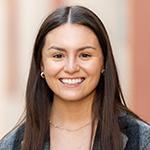
Kenya Bonitto, BS
PhD Candidate, Ruggero Lab, UCSF
Project: Identifying novel regulators of KRAS translation in pancreatic cancer
Award Mechanism: Mentored Scientist Award in Pancreas Cancer
Can you describe the focus of your project in a few sentences?
My project aims to target KRAS, the primary oncogenic driver in pancreatic cancer, by investigating its regulation through the unique lens of mRNA translation. Although KRAS has a highly structured 5′ untranslated region (5′UTR), the RNA-binding proteins (RBPs) that interact with this region to promote its translation remain largely unknown. By identifying and targeting the RBPs that enhance KRAS expression, this work will reveal a novel therapeutic strategy to suppress KRAS at the translational level.
What motivated you to pursue this particular research?
I am motivated by a strong interest in uncovering novel mechanisms of gene expression that arise specifically in pathological contexts like cancer, with the goal of identifying more precise and effective therapies.
This project was funded by the UCSF Pancreas Center Program.
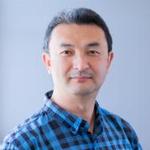
Changhua Mu, PhD
Assistant Professional Researcher, Dept. of Radiology and Biomedical Imaging, UCSF
Project: Development of Tumor-Targeted, Blood-Brain Barrier-Permeable Radio-Theranostic Peptide for Glioblastoma Therapy: In Vitro and In Vivo Evaluation
Award Mechanism: Pilot for Early Career Investigators
Can you describe the focus of your project in a few sentences?
We are developing a peptide-based radioligand for tumor-targeted imaging and therapy to address the critical unmet medical need in glioblastoma (GBM) treatment and prognosis. Our strategy uses the p28 peptide as a GBM-targeting platform, chosen for its unique blood-brain barrier (BBB) permeability, specific tumor targetability, and proven clinical trial tolerance. This versatile platform will carry either Fluorine-18 (18F) for high-resolution positron emission tomography (PET) imaging, enabling precise GBM diagnosis, or the potent alpha-emitter Actinium-225 (225Ac) for effective tumor cell killing. 225Ac's high linear energy transfer (LET) breaks double-strand DNA, offering efficacy independent of the tumor microenvironment, which is crucial for reducing resistance and recurrence. Furthermore, 225Ac's very short tissue penetration range (micrometers) significantly minimizes the "cross-fire effect" on healthy tissue, thereby reducing side effects. We will meticulously evaluate this method in vitro and particularly in vivo using GBM mouse models to establish proof-of-concept for future clinical translation.
What motivated you to pursue this particular project?
GBM represents one of the most lethal malignant tumors affecting the central nervous system. Despite the application of aggressive treatment modalities, including surgical resection, radiation therapy, and chemotherapy, sustained long-term remission or curative outcomes for GBM patients remain exceptionally challenging. Concurrently, substantial research into novel therapeutics has largely proven unsuccessful, attributed to GBM's intrinsic aggressiveness, profound heterogeneity, and inherent treatment resistance. Consequently, population-wide survival rates have shown no improvement over the past decade, consistently remaining within the 10–14 month range.
These formidable challenges necessitate the development of innovative and breakthrough therapeutic strategies. Our strategy integrates valuable, previously validated research findings. Specifically, we leverage the p28 peptide's unique BBB permeability, potent tumor targetability, and favorable tolerance profile observed in clinical trials. This peptide platform is then combined with our specialized expertise in targeted radioligand imaging and therapy, representing a highly effective and innovative approach for aggressive cancer management. We anticipate the development and preclinical evaluation of this radiotheranostic pair of radiopeptides, aiming to establish a methodology capable of substantially revolutionizing GBM treatment.
This project was funded by the UCSF Academic Senate.
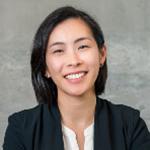
Mary Jue Xu, MD
Assistant Professor of Otolaryngology-Head and Neck Surgery, UCSF
Project: Implementation of a Disease-Focused Tumor Board at Muhimbili and Ocean Road Cancer Institute
Award Mechanism: Global Cancer Pilot Award
Can you describe the focus of your project in a few sentences?
While multidisciplinary tumor boards are a standard practice that improves the quality of cancer care, they are limited in many low and middle-income countries due to barriers including lack of protected time to meet and lack of infrastructure. Muhimbili National Hospital and Ocean Road Cancer Institute in Tanzania exemplify this challenge in prior studies by my collaborators. In this study co-led by Dr. Aslam Nkya, Dr. Sarah Kutika, and Dr. Nanzoke Mvungi, we aim to design and implement a disease-specific tumor board for head and neck malignancies to improve clinical discussions, the educational value of the tumor board, and discussion documentation.
What motivated you to pursue this particular research?
I am motivated to implement interventions to improve the access and quality of care for head and neck cancer patients. This project specifically stems from the needs of my collaborators and a prior qualitative study from Dr. Sarah Kutika and Dr. Rebecca Deboer highlighting clinicians' desire for collaborative, educational, and well documented tumor boards. The goal of this project is to improve patient care through multidisciplinary discussions and communication through this new tumor board model.
This project was funded by the Global Cancer Program of the UCSF Helen Diller Family Comprehensive Cancer Center.
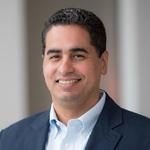
Aaron Diaz, PhD
Associate Professor of Neurological Surgery, UCSF
Project: Genetic lineage tracing of brain tumors under therapy
Award Mechanism: Pilot for Established Investigators
Can you describe the focus of your project in a few sentences?
The goal of this project is to develop genetic lineage tracing models of brain tumors under therapy, with single-cell resolution. Our approach is to utilize CRISPR-based editing to introduce cellular barcodes that evolve over time and combine these barcodes with mutation calls in endogenous genes. This technology enables us to accurately track lineage relationships between individual cells over time. We implement this approach in intracranial patient-derived and immunocompetent base models which we then perturb with ionizing radiation and/or chemotherapy.
What motivated you to pursue this particular project?
Single-cell genetic lineage tracing has many applications, such as studying malignant transformation, therapy resistance, and metastasis. However, status quo approaches utilizing either single-cell derived mutation calls or engineered barcodes have limited accuracy due to technical challenges. We reason that by combining engineered barcodes with single-cell mutation calls we will enable accurate tracking of individual clones and subclonal cellular phylogenetics.
This project was funded by the Research Evaluation and Allocation Committee (REAC) in the UCSF School of Medicine.

Daniel Waller, PhD
Associate Professional Researcher, Dept. of Laboratory Medicine, UCSF
Project: Enhancing the efficacy of cancer therapeutic antibodies with ‘PORTTAL’: Proteomic Observation of Recombinant upTake into Tumor via Antibody Labeling
Award Mechanism: Pilot for Early Career Investigators
Can you describe the focus of your project in a few sentences?
The development of safe and effective new monoclonal antibodies (mAbs), antibody drug conjugates (ADCs), and radioimmunotherapies (RITs) for cancer therapy requires screening and selection of antibodies with modality-appropriate cell internalization properties. For instance, ADC and RIT modalities prefer antibodies that rapidly internalize following target engagement to promote tumor-specific accumulation of cytotoxic and radioactive payloads, respectively. Conversely, unconjugated monoclonal antibody therapies typically perform better with slow internalizing antibodies since retention on the tumor cell surface promotes better immune cell engagement. The focus of this research is to develop a robust and scalable mass spectrometry approach that permits accurate assessment of antibody internalization during early preclinical testing so that antibodies can be better triaged for immunotherapy development.
What motivated you to pursue this particular research?
Numerous recent FDA approvals of impactful new antibody therapies and antibody drug conjugates have generated great excitement in the cancer field. However, the pace of development of new biologic therapies remains far too slow and numerous costly clinical-stage failures underscore the importance of careful selection of antibody candidates during preclinical validation. Established methods permit the identification of antibodies with high affinity tumor target binding properties but the cell internalization properties of antibodies are currently studied by brute force approaches and often only at the later stages of preclinical development. Thus, a clear need has emerged for a reliable method for determining antibody internalization for lead prioritization during early preclinical development. I believe that our targeted mass spectrometry platform can fulfill this need and thus holds great potential to accelerate and derisk cancer immunotherapy discovery.
This project was funded by the Research Evaluation and Allocation Committee (REAC) in the UCSF School of Medicine.

Calvin Chiu, PhD
Assistant Professor, Institute for Health & Aging, UCSF
Project: Integrating Self-Swab Cervical Cancer Screening into Pharmacy-Based Non-Communicable Disease Programs in Rwanda: A Feasibility Study
Award Mechanism: Mentored Scientist Award in Global Health Research
Can you describe the focus of your project in a few sentences?
Cervical cancer is growing in low and middle-income countries despite being highly treatable if detected early. Even though free routine public sector screening often exists, cervical cancer is often severely underdiagnosed due to low adoption of screening, leading to late detection and worse treatment outcomes. This study aims to leverage the convenience of private pharmacies – a growing access point for a wide range of healthcare services, including screening for non-communicable diseases (NCD) such as diabetes, hypertension and obesity – to increase access to cervical cancer screening by offering self-swab based diagnostic tests. Specifically, the study aims to design and develop feasible protocols on integrating self-swab-based cervical cancer screening into routine pharmacy-based NCD screening program implemented by a private pharmacy chain in Rwanda.
What motivated you to pursue this particular research?
My broader research agenda is focused on increasing access to healthcare services in low and middle-income countries, including through public-private partnerships. The private sector, such as pharmacies and local drug shops, has the potential to increase access to a broad range of healthcare products and services, including but not limited to HIV and sexual and reproductive health, given its convenience and popularity with customers who are unwilling to seek care from public healthcare systems. This study was developed through discussions with the private pharmacy chain Goodlife Access who described the effectiveness of their ongoing NCD screening program and interest in incorporating cervical cancer screening given the public health needs in Rwanda.
This project was funded by the Global Cancer Program of the UCSF Helen Diller Family Comprehensive Cancer Center.

Alexendar Pérez MD, PhD | Mary Helen Barcellos-Hoff PhD | Noriyuki Kasahara MD, PhD
Project: Novel CRISPR therapy for breast cancer brain metastasis
Award Mechanism: Team Science Grant
Can you describe the focus of your project in a few sentences?
Approximately 1 in 8 women will be diagnosed with invasive breast cancer in their lifetime, which will spread to the brain in about a third of these women. This form of metastasis has poor survival, and its treatment can be debilitating. Our research investigates whether the combination of a novel therapy using CRISPR to edit the cancer cell genome, packaged in a tumor-specific retroviral delivery system, can serve as a treatment for breast cancer brain metastasis. We will investigate whether our approach can directly reduce tumor burden, serve as an adjunct to radiation therapy, and potentially prime the breast cancer brain metastasis to be receptive to immunotherapy. Ultimately, the focus of our research is to explore whether CRISPR-based gene editing can serve as a novel therapeutic approach for metastatic breast cancer in the brain.
What motivated you to pursue this particular research?
The motivation for our research is the investigators' desire to see new treatments developed for a disease that is generally considered terminal.
Team Members:
Alexendar Pérez, MD, PhD, is an Assistant Professor in the Department of Anesthesia and Perioperative Care.
Mary Helen Barcellos-Hoff, PhD, is a Professor and Wun-Kon Fu Endowed Chair in Radiation Oncology.
Noriyuki Kasahara, MD, PhD, is a Professor in the Departments of Neurological Surgery and Radiation Oncology.
This project was funded by the Mount Zion Health Fund.
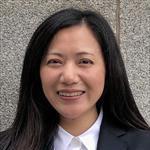
Yan Li, PhD
Associate Professor of Radiology, UCSF
Project: A pilot study of developing metabolic biomarkers for assessing recurrent glioblastoma
Award Mechanism: Pilot for Established Investigators
Can you describe the focus of your project?
This study aims to use a multimodal 3T MRI protocol with oral administration of deuterated glucose to evaluate patients with recurrent glioblastoma. This novel metabolic imaging method involves the simultaneous detection of glucose flux to lactate through the Warburg effect and the measurement of glutamate/glutamine (glx) via mitochondrial metabolism. The results from this study will provide preliminary data to support a future R01 grant application, with the goal of confirming the clinical utility of deuterated metabolic imaging in monitoring tumor burden and treatment response in glioblastoma.
What motivated you to pursue this research?
My motivation for developing advanced metabolic imaging in brain tumors comes from the difficulties in accurately delineating tumor margins with current imaging methods and the challenge of creating reliable biomarkers for early treatment response. Noninvasive metabolic imaging techniques can reveal new biological insights into tumors and help identify biomarkers that enable more personalized therapies.
This project was funded by the Research Evaluation & Allocation Committee (REAC) in the UCSF School of Medicine.
About RAP
The mission of the UCSF Resource Allocation Program (RAP) is to make applying for intramural research funding efficient and accessible for all faculty and non-faculty applicants, and to coordinate and minimize the redundancy of the application and review process among the funding agencies. Learn about the power of a RAP award here.
Mark your calendar! Applications for the Fall 2025 RAP application cycle open August 28 and close September 29, 2025, at 2pm.