In a study led by UC San Francisco researchers that published Jan. 7 in Circulation, the researchers found that anti-LAG-3/anti-PD-1 combination therapy shows a higher risk of myocarditis compared to other ICI treatments.
Though investments in partnerships and innovation, advances in targeted treatments and screening recommendations, our cancer community remained dedicated to not only treat cancer — but to prevent it, and to ensure that all communities benefit from scientific progress.
A pioneering study has found that an individualized approach to breast cancer screening that assesses patients’ risk, rather than annual mammograms, can lower the chance of more advanced cancers, while still safely match people to the amount of screening they need.
Research reveals that artificial sources of ultraviolet radiation cause cellular mutations that can be the seeds of future cancers, including highly deadly melanoma.
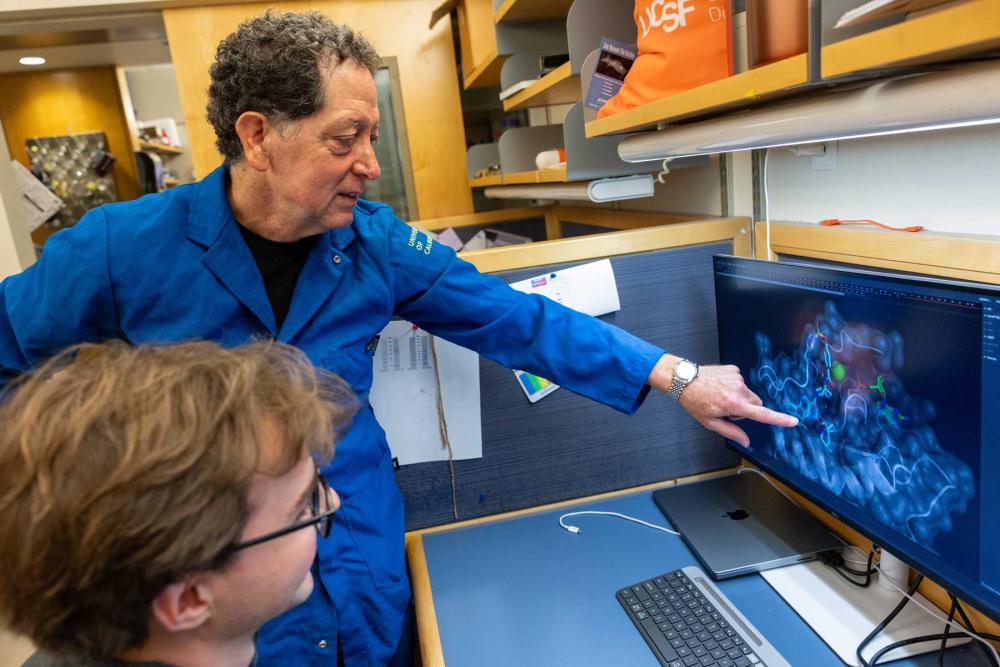
NIH-funded discoveries by UCSF's Kevan Shokat, PhD have produced the world’s first drugs that target mutations in the KRAS gene which cause a quarter of all cancerous tumors.
He was told cancer would kill him in two to four years. Fourteen years later, he credits a series of medications and treatments funded by the National Institutes of Health.
Matching grant from Weill family creates collaborative research hub, uniting scientists from UCSF and Stanford Medicine to transform cancer care within a decade.