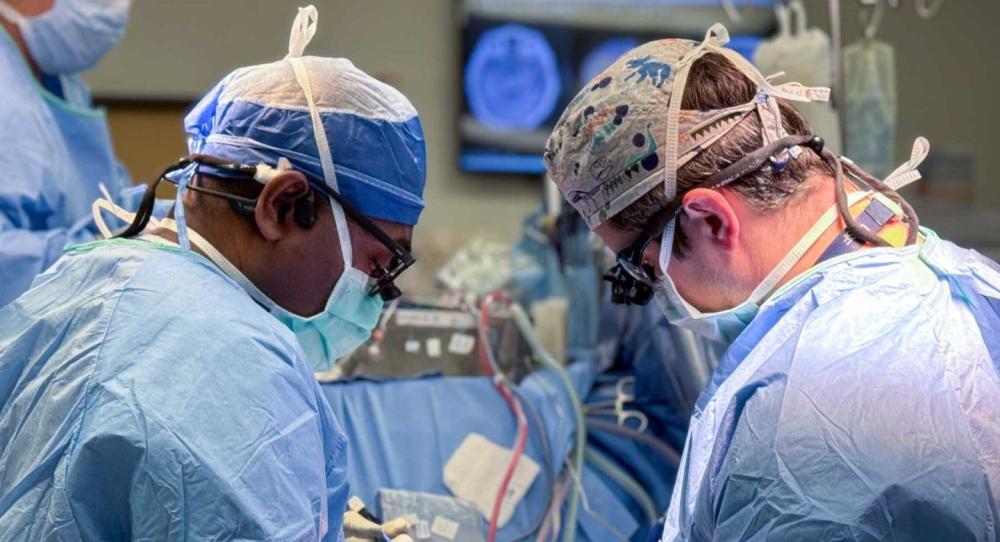
UCSF experts are presenting talks on environmental and genetic determinants in cancer development, precision cancer treatment with radiotheranostics, overcoming drug resistance, and more at the annual meeting of the American Association for Cancer Research (AACR).
A new form of CAR T kills leukemia, multiple myeloma, and sarcoma in mice, opening the door to a future off-the-shelf cancer treatment without chemotherapy.
Colorectal cancer is rising in adults under 50. In response, UCSF is launching a new Young-Onset Colorectal Cancer Program designed to meet the distinct medical and life-stage needs of younger patients.
UCSF researchers calculated the annual cost of using sunscreens and found huge variations, depending on product price and how much skin a person exposes to the sun.
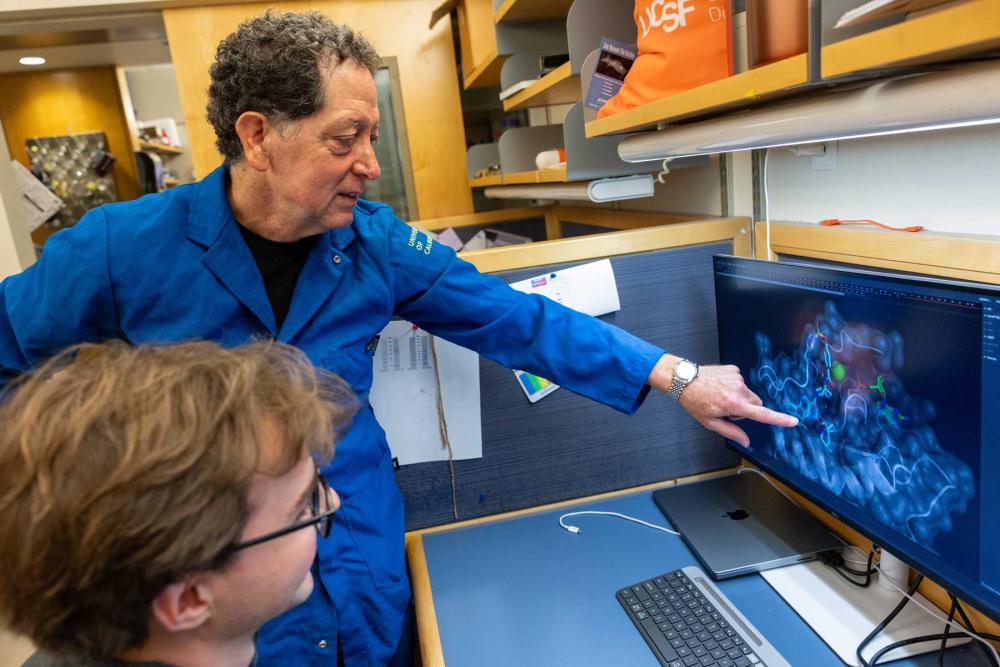
Led by Jim Wells, PhD, researchers at UCSF have discovered that abnormal protein fragments produced inside cancer cells can appear on the cell surface, offering a distinctive marker that could help guide antibody-based therapies directly to tumors.
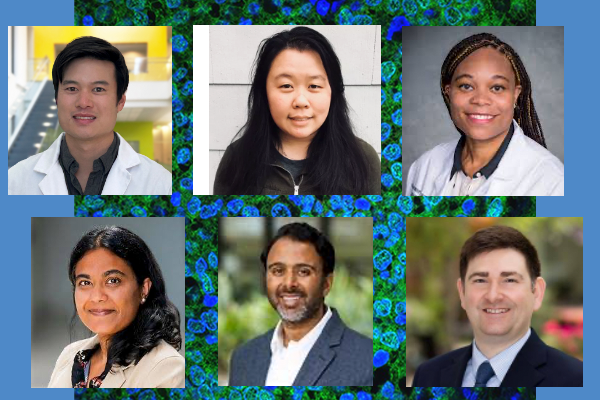
Eleven investigators and teams were awarded grants in support of cancer research projects in the fall 2025 cycle of the UCSF Resource Allocation Program (RAP).
A recent study led by George F. Sawaya, MD, a UCSF professor of Obstetrics, Gynecology and Reproductive Sciences and Epidemiology & Biostatistics, found many women 21-49 years old strongly preferred a self-collected HPV test.