

Eleven investigators and teams were awarded grants in support of cancer research projects in the fall 2025 cycle of the UCSF Resource Allocation Program (RAP). Funded by various agencies across UCSF, the awards span a range of topics from cancer patient navigation to molecular imaging to immune responses in metastatic breast cancer.
RAP is a campus-wide program that bi-annually facilitates intramural research funding opportunities and seeds high-quality, high-impact, timely research. The program offers many benefits for investigators and campus agencies, including a single application, a streamlined review process, and access to funding that has a typical funding rate of 30 percent.
Read more about the recent awardees and their cancer research projects below.

Kimberly Badal, PhD
Assistant Professor of Surgery, UCSF
Project: Can the Caribbean Cancer Patient Navigation Training Program be Adapted to Vietnam?
Award Mechanism: Mentored Scientist Award in Global Health Research
Can you describe the focus of your project in a few sentences?
Cancer patient navigation (CPN) is an effective strategy to reduce barriers to cancer care such as delays in diagnosis and treatment, poor treatment adherence, and psychosocial challenges. Such barriers are especially evident in limited resource countries globally where CPN services are mostly non-existent. I previously developed a CPN training program for the Caribbean that I believe can be easily adapted to other similar limited resource settings globally. Our project will examine whether the Caribbean CPN training program can be successfully adapted to the Vietnamese context. If successful, we will have a rubric for efficiently adapting our CPN training program to any limited resource setting globally.
What motivated you to pursue this particular research?
I believe that CPN can solve many challenges that arise with cancer care management in developing countries. It would be immensely beneficial to both the patient and the healthcare system for a relatively low investment. I want to help reduce the barrier to entry so that patients in limited resource settings can get more support during their cancer journey.
This project was co-funded by the UCSF Global Cancer Program and the UCSF Institute for Global Health Sciences.

Anil Bidkar, PhD
Assistant Professional Researcher, Dept. of Radiology, UCSF
Project: Development of ALPPL2-Targeted Molecular Imaging and Therapy for Pancreatic Cancer
Award Mechanism: Mentored Scientist Award in Pancreas Cancer
Can you describe the focus of your project in a few sentences?
My project focuses on developing new molecular imaging and targeted radiotherapy approaches for pancreatic cancer by targeting ALPPL2, a cell-surface protein that is highly expressed in pancreatic tumors but largely absent from normal adult tissues. Working in close collaboration with my mentors, Dr. Robert Flavell and Dr. Bin Liu, this research combines advanced radiochemistry with antibody-based targeting to create agents that can both visualize pancreatic tumors noninvasively with PET imaging and deliver highly localized radiation. The overall goal is to improve therapeutic precision while minimizing damage to healthy tissue and to address the urgent need for better diagnostic and treatment strategies for this aggressive disease.
What motivated you to pursue this particular research?
Pancreatic cancer remains one of the deadliest cancers, in large part due to late diagnosis and limited effectiveness of current therapies. My motivation for this work stems from both the clinical challenges faced by patients and the collaborative research environment at UCSF. Guidance from Dr. Robert Flavell in molecular imaging and from Dr. Bin Liu in antibody-based therapeutics has strongly shaped this project and reinforced my interest in developing translational strategies that bridge imaging and therapy to improve patient outcomes.
This project was funded by the UCSF Pancreas Center Program.

Zeinab Kosibaty, PhD
Assistant Professional Researcher, Div. of Hematology/Oncology, UCSF
Project: Targeting DNA Polymerase Epsilon (POLE) to Overcome Replication Stress Tolerance in CIC: DUX4 Sarcomas
Award Mechanism: Pilot for Early Career Investigators
Can you describe the focus of your project in a few sentences?
CIC::DUX4 fusion-positive sarcoma (CDS) is an aggressive subtype of small round cell sarcomas. Current treatment paradigms continue to utilize ineffective "salvage" chemotherapy due to a lack of mechanistic understanding of the biological drivers of CDS tumors. CIC::DUX4 is a transcription factor fusion oncoprotein that drives tumor progression through dysregulation of cell-cycle and DNA replication checkpoints. We have identified the catalytic subunit of DNA polymerase epsilon (POLE), a key enzyme in DNA replication and repair, as a direct transcriptional target of CIC::DUX4. Our research aims to explore how CDS tumors tolerate high replicative stress through a unique dependency on POLE as a therapeutic vulnerability in CDS. Targeting POLE represents a rational therapeutic strategy to exploit DNA repair vulnerabilities in CDS, with the aim of improving clinical outcomes for CDS patients.
What motivated you to pursue this particular research?
I was motivated to connect the mechanistic biology of CDS with actionable therapeutic strategies. When we discovered POLE as a direct transcriptional target of CIC::DUX4, it represented more than just an interesting biological finding; it pointed to a potentially druggable vulnerability in CDS. The idea that we could exploit the very mechanism CDS tumors use to survive under high replication stress through their dependency on POLE felt like a promising therapeutic approach. Additionally, CDS is a rare and understudied sarcoma, which suggests our work could have a significant impact. The chance to contribute foundational biology of CDS while simultaneously working toward a therapeutic strategy that could improve outcomes for CDS patients is what drives me every day in the lab.
This project was funded by the UCSF Academic Senate.

George Sawaya, MD
Professor of Ob/Gyn & Reproductive Sciences, UCSF
Project: Understanding preferences for at-home human papillomavirus (HPV) testing in high-risk patients
Award Mechanism: Team Science Grant
Can you describe the focus of your project in a few sentences?
At-home self-collected tests for human papillomavirus (HPV) hold great promise in increasing access to cervical cancer screening to populations that have barriers to screening. Current guidelines do not recommend screening for some high-risk persons, such as those under surveillance for a prior cervical abnormality or treatment of a precancerous lesion. Our study is designed to understand the preferences of these higher-than-average risk patients with regard to self-collected HPV tests.
What motivated you to pursue this particular research?
Surveying patients in the setting of follow-up after an abnormal screening test result or treatment is a critical step in assuring that what guidelines recommend to patients is actually in line with their preferences and values. Through this team science grant, we have an opportunity to explore these issues with a new team of colleagues from the School of Nursing and in Global Health. Having a variety of perspectives in pursuit of a scientific aim is critical in advancing our knowledge about cervical cancer screening and assuring that our approaches are patient-centered and cost conscious.
This project was funded by the Mount Zion Health Fund.
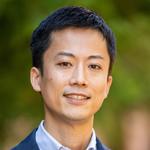
Takahide Nejo, MD, PhD
Assistant Professional Researcher, Dept. of Neurological Surgery, UCSF
Project: Next-generation single-cell and spatial transcriptomic technologies for monitoring engineered immune cell therapy in glioblastoma
Award Mechanism: Pilot for Early Career Investigators
Can you describe the focus of your project in a few sentences?
In the ongoing phase I clinical trial of synNotch-CAR-T cells for patients with glioblastoma (NCT06186401) at UCSF, a major challenge has been the lack of robust methods to track and characterize infused cells in vivo. In this project, we will develop a probe-enhanced scRNA-seq platform by incorporating custom spike-in probes that target synNotch-CAR-specific transcripts. Our preliminary data demonstrate highly accurate detection of engineered T cells across diverse in vitro and in vivo settings, enabling both reliable cell tracking and comprehensive single-cell transcriptomic profiling. We will further refine these methods and extend them to spatial transcriptomics.
What motivated you to pursue this particular research?
The probe-enhanced single-cell and spatial transcriptomics platform directly addresses a critical unmet need for sensitive and specific in vivo tracking of infused therapeutic cells. By enabling clinically applicable detection of the engineered transcripts, this approach will provide new insight into the in vivo kinetics, functional states, and spatial distribution of synNotch-CAR-T cells in GBM patients. Moreover, the methodology is broadly applicable across cellular immunotherapies, offering a powerful and generalizable tool for the field.
This project was funded by the Research Evaluation & Allocation Committee (REAC), UCSF School of Medicine.
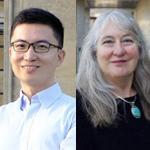
Peng He, PhD and Donna Peehl, PhD
Project: Dissecting Tumor–Bone Communication Driving Neuroendocrine Transdifferentiation in Prostate Cancer Using Dual-Species Single-Cell and Spatial Transcriptomics
Award Mechanism: Pilot for Early Career Investigators
Can you describe the focus of your project in a few sentences?
My RAP-funded project investigates how the bone microenvironment drives neuroendocrine transdifferentiation in advanced prostate cancer, a process associated with highly aggressive and treatment-resistant disease. The goal is to define how interactions between tumor cells and the surrounding bone niche promote lineage plasticity, with the long-term objective of identifying new therapeutic opportunities.
What motivated you to pursue this particular research?
My motivation for this work originates from my research in human development, where I identified neuroendocrine cell populations in the human embryo that molecularly resemble neuroendocrine states observed in aggressive cancers. These findings raised a fundamental question: how are developmental cell-fate programs redeployed during cancer progression, and what environmental signals enable or accelerate this transition? This project addresses that question by tracing neuroendocrine lineage switching in prostate cancer and elucidating how the bone microenvironment shapes these processes.
This project was funded by the Research Evaluation & Allocation Committee, UCSF School of Medicine.

Renuka Sriram, PhD
Associate Professor of Radiology, UCSF
Project: Development of metabolic imaging biomarkers to detect castration resistance development using fatty acid dysregulation in prostate cancer
Award Mechanism: Pilot for Established Investigators
Can you describe the focus of your project in a few sentences?
This project aims to implement a burgeoning metabolic imaging platform to characterize biomarkers of disease progression and therapeutic resistance. Characterizing fatty acid metabolism in situ remains a significant challenge due to slow turnover and multifactorial pathway interactions. By capturing two divergent pathways that drive disease progression in prostate cancer, we aim to establish metabolic biomarkers capable of detecting resistance to androgen deprivation therapy. This approach provides a critical window into the metabolic 'rewiring' that precedes clinical treatment failure.
What motivated you to pursue this particular research?
Having spent more than ten years developing MR-based biomarkers for prostate cancer, I have seen firsthand the challenges of mapping complex metabolic changes. Specifically, the role of fatty acid metabolism has been a long-standing interest in the field, yet it lacked a practical method for observation. I am motivated to pursue this work now because the evolution of Deuterium Metabolic Imaging (DMI) has transformed it from a theoretical tool into a powerful, accessible reality, offering a unique opportunity to unlock the secrets of this metabolic pathway and its impact on drug efficacy.
This project was funded by the UCSF Academic Senate.
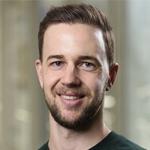
Nicholas Kuhn, PhD
Associate Specialist, Dept. of Pathology, UCSF
Project: Identify fibroblast-derived mediators of communication to other members of the tumor microenvironment
Award Mechanism: Mentored Scientist Award in Pancreas Cancer
Can you describe the focus of your project in a few sentences?
Cells constantly “talk” to each other to build and maintain healthy tissues. In diseases like fibrosis and cancer, these interactions go wrong and stay abnormal. In solid tumors, fibroblasts are especially important because they help build the so-called extracellular matrix, a three-dimensional scaffold within which all cells interact with. The components of the extracellular matrix are thought to be highly instructive in immune cell behavior, cancer cell survival, and metastatic spread. However, we do not have a comprehensive understanding of which components are actually contributed by fibroblasts and at what time during tumor progression. This project will combine genetic engineering of fibroblasts and proximity ligation in a controlled, local way to measure which proteins are deposited by fibroblasts at which timepoint into the extracellular space during tumor growth. The aim is to find biomarkers that are secreted by cancer-associated fibroblasts as a function of tumor growth and cell-cell communication.
What motivated you to pursue this particular research?
Complex tissues, such as solid tumors, are composed of a mix of cellular and extracellular components. We are very good at describing the absence and presence of cellular components. I was motivated to shine a light on the extracellular components and how they relate to cell-cell communication on a lower level and to tissue function on a larger level.
This project was funded by the UCSF Pancreas Center Program.

Laura Huppert, MD | Jo Chien, MD | David Oh, MD, PhD
Project: Defining immune responses in patients with metastatic breast cancer treated with talimogene laherparepvec (T-VEC) in combination with chemotherapy or endocrine therapy
Award Mechanism: Team Science Grant
Can you describe the focus of your project in a few sentences?
Patients with metastatic breast cancer (MBC) can develop chest wall disease, which can cause significant morbidity and mortality. More effective treatments for this population are desperately needed in the clinic. One hypothesis is that injecting a genetically modified herpes simplex 1 virus called talimogene laherparepvec (T-VEC) directly into the chest wall tumor may enhance both the local and systemic immune response to improve outcomes. To address this hypothesis, we conducted an open label Phase 1b study (NCT03554044) to evaluate the safety and efficacy of T-VEC in combination with chemotherapy or endocrine therapy for patients with MBC. We collected tumor samples of chest wall lesions injected with T-VEC, as well as other uninjected lesions, at baseline and on therapy to evaluate for changes in local and systemic immune response. For this Team RAP award, we plan to conduct multi-omic single cell analyses combining RNA sequencing, surface proteomics (CITE-seq), and T cell receptor sequencing and address two specific aims: 1) To determine the immune responses induced by T-VEC in injected vs. uninjected lesions with single cell resolution; and 2) To identify the induced immune responses associated with clinical response to therapy.
What motivated you to pursue this particular research?
Ultimately, the goal of this work is to dissect the direct and abscopal effect of T-VEC on the local and systemic immune environment in order to provide insight about novel ways to enhance the tumor microenvironment and improve treatment response in patients with metastatic breast cancer and chest wall disease.
This project was funded by the Research Evaluation & Allocation Committee (REAC), UCSF School of Medicine.

Soeun Kang, PharmD, PhD
Postdoctoral Scholar, Dept. of Anatomy, UCSF
Project: Unraveling a novel function for TTYH3 in lysosomal retinol metabolism and PDAC progression
Award Mechanism: Mentored Scientist Award in Pancreas Cancer
Can you describe the focus of your project in a few sentences?
Our preliminary data highlights a previously underexplored lysosomal transporter protein, Tweety Homolog 3 (TTYH3), as a potential driver of Pancreatic ductal adenocarcinoma (PDAC) progression. However, the function of TTYH3 and the mechanisms by which it supports PDAC tumor growth remain entirely unknown. The overall goal of this project is to investigate the role of TTYH3 in PDAC progression and uncover its underlying regulatory mechanisms.
What motivated you to pursue this particular research?
During my PharmD training, I witnessed firsthand the limitations of current chemotherapies, including limited efficacy, severe side effects, and high costs, which motivated my interest in developing more targeted and less toxic cancer therapies. Pancreatic ductal adenocarcinoma (PDAC) is highly metastatic and resistant to existing treatments, largely due to its hypovascular, nutrient-poor tumor microenvironment (TME). Leveraging my expertise in molecular and cell biology and metabolite analysis, my long-term goal is to uncover mechanisms of metabolic adaptation during pancreatic cancer progression and metastasis, ultimately identifying novel therapeutic targets.
This project was funded by the UCSF Pancreas Center Program.

Anya Platt, MD
Clinical Fellow of Pediatric Hematology/Oncology, UCSF
Project: Evaluating Outcomes in Juvenile Myelomonocytic Leukemia Patients Undergoing Hematopoietic Stem Cell Transplantation by Donor Type
Award Mechanism: Global Cancer Pilot Award
This project was co-funded by the UCSF Helen Diller Family Comprehensive Cancer Center and the UCSF Institute for Global Health Sciences.