
The UCSF Helen Diller Family Comprehensive Cancer Center's Molecular Oncology Program (MOP) recently provided Graduate Student Support to four PhD student researchers whose work spans prostate cancer, leukemia, immunotherapy, and targeted drug delivery. The one-year awards provided $25,000 in pilot funding to help sustain their research during a critical stage of graduate training.
Two awards were made in 2025 and two additional awards in 2026 through a competitive application process. Priority was given to doctoral students in their third year or later whose research had been affected by recent changes in federal research funding policies. By helping sustain promising research during a period of funding uncertainty, the support recognized the important role these trainees play in advancing discoveries across the Cancer Center.
Below, the recipients share more about their research, their graduate training experiences, and the scientific questions that continue to inspire their work.
Colton Sanders
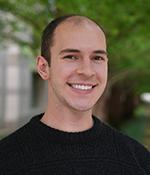
2025 MOP Graduate Student Support Recipient
Program: Chemistry and Chemical Biology (5th-year PhD student)
Faculty mentor: Jonathan Ostrem, MD, PhD
Research focus: Developing novel chemical tools and therapeutics to better understand and overcome acquired resistance in prostate cancer.
Q: Please tell us about your research. What area are you working in, and what scientific questions are you currently investigating?
My graduate work is centered around the development of bifunctional molecules that simultaneously engage the primary driver of castration resistant prostate cancer (CRPC), the androgen receptor (AR), and DNA to elicit unique biological outcomes that negatively impact cancer growth. From a chemical development perspective, I am interested in understanding how the integration of different AR- and DNA-targeting moieties correlates with changes in biological activity. From a biological perspective, I am interested in leveraging biochemical and cell-based techniques to investigate how simultaneous AR and DNA engagement alters AR localization, transcriptional output, DNA damage, and cell viability on a mechanistic level. Thus far, I’ve developed and characterized a diverse library of these molecules and have identified lead compounds that exhibit enhanced potency and selectivity in CRPC cell models. Additionally, I have revealed new insights into their mechanism of action. In the coming year, I am excited to incorporate more genome-wide approaches to better understand how these molecules reshape the transcriptional and chromatin landscape of CRPC cell models on a broader scale.
Q: What has been the most rewarding part of your graduate research experience so far?
The most rewarding part of my graduate experience thus far has been the opportunity to participate in a variety of peer mentorship programs. I believe that peer mentorship among trainees is paramount to building a strong and supportive network throughout graduate school. Through my graduate program, I have had the opportunity to both mentor and be mentored by trainees at different stages in their scientific careers, which has influenced my development as a scientist through the exchange of ideas and perspectives on scientific research. Additionally, through my involvement with the Cancer Research Trainee Community, I have been able to build on these experiences with trainees specifically in oncology, allowing me to broaden my perspective on cancer research beyond the scope of my own work. Together, these experiences have not only helped me develop a strong sense of community at UCSF, but they have also provided me with an invaluable network that will accompany me post-graduation.
Q: What are you most excited to explore or accomplish in the next stage of your research?
In the next stage of my research, I am most excited to further investigate the mechanism of action of the bifunctional molecules I have synthesized, as well as to build libraries of similar molecules that target other oncogenic transcription factors. With the insights gained through the incorporation of genome-wide approaches, I hope to develop a more holistic understanding of how these molecules exert their biological effects, providing a foundation for extending this strategy beyond CRPC and into other cancers where therapeutic resistance remains a challenge. Beyond the research itself, I am excited to continue my professional development by presenting my work at scientific conferences. Sharing my research with the broader scientific community beyond UCSF is an important goal of mine, and I believe that it will allow me to strengthen the scientific communication skills necessary for the next stage of my career.
Vineet Mathur
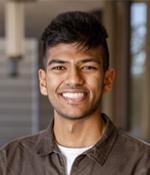
2025 MOP Graduate Student Support Recipient
Program: Chemistry and Chemical Biology (PhD Graduate)
Faculty mentor: Young-Wook Jun, PhD
Research focus: Developing targeted drug delivery systems that more precisely deliver cancer therapies to tumor cells while minimizing effects on healthy tissue.
Vineet's research focuses on developing precision delivery systems for oncology that respond to cancer cells via tumor-specific protease and cell-specific receptor expression. His work aims to couple intracellular delivery with precision targeting to enable the delivery of complex biological therapeutic modalities.
During his graduate research, he evaluated these targeted drug delivery systems in laboratory models and expanded this work into advanced tumor models and xenograft mice studies to better understand their potential to impact the landscape of cancer therapy.
Khang Nguyen
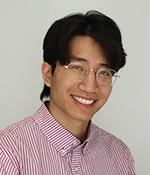
2026 MOP Graduate Student Support Recipient
Program: Biomedical Sciences (4th-year PhD student)
Faculty mentor: Jeroen Roose, PhD
Research focus: Developing a humanized organoid system to model T cell-tumor interactions in lung cancer for therapeutic discovery and gaining insights into human T cell exhaustion.
Q: Please tell us about your research. What area are you working in, and what scientific questions are you currently investigating?
Although immune checkpoint inhibitors (ICI) have improved the overall survival rate of non-small cell lung cancer (NSCLC) patients, their efficacy is limited by T cell exhaustion. While chronic viral infection and xenograft tumor mice models have provided mechanistic insights into T cell exhaustion, translating these findings into the clinic remains a challenge due to the lack of clinically relevant experimental systems.
To address this gap, I am utilizing an autologous ex vivo humanized platform (termed “T cell-tumor assembloids”) to study T cell-tumor interactions by co-culturing NSCLC patient-derived organoids with matched peripheral blood T cells. By integrating scRNAseq, scTCRseq, and functional readouts, I am identifying gene programs of T cell exhaustion and productive antitumor T cell response that can be translated to the clinic. Using this method, I am working to identify clinically relevant TCRs.
Q: What has been the most rewarding part of your graduate research experience so far?
I am incredibly grateful to be part of the intellectually rich and welcoming community at UCSF. Attending seminars and engaging with students and faculty continually inspires my own research, even when our fields are unrelated. While graduate research is often filled with challenging questions and failed experiments, the opportunity to learn something new every day has been the most rewarding part of my experience. I am thankful to have had the time and encouragement from my PI to develop new techniques in computational biology which have particularly broadened my perspective as a scientist while strengthening both my curiosity and resilience.
Q: What are you most excited to explore or accomplish in the next stage of your research?
I am excited to further leverage humanized platforms and cross-disciplinary approaches to uncover mechanisms that distinguish productive antitumor T cell responses from T cell exhaustion in human patients. By integrating computational approaches with functional validation, I am excited to explore programs of T cell response across cancers that would enable the identification of clinically relevant TCRs and biomarkers that can better predict or improve responses to immunotherapy. More broadly, I am excited by the opportunity to develop experimental systems that bridge basic immunology and clinical translation, helping move discoveries from the laboratory toward therapies that improve outcomes for cancer patients.
David Byun
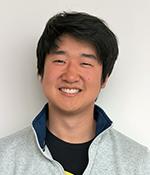
2026 MOP Graduate Student Support Recipient
Program: Chemistry and Chemical Biology (4th-year PhD student)
Faculty mentor: Danica Fujimori, PhD
Research focus: Development of chemical tools for the reader domain of the NUP98-KDM5A fusion oncoprotein.
Q: Please tell us about your research. What area are you working in, and what scientific questions are you currently investigating?
From a clinical perspective, my research is centered on improving patient outcomes against leukemia; specifically, I am interested in a subset of acute myeloid leukemia driven by fusion oncoproteins resulting from aberrant chromosomal translocation of the nucleoporin 98 gene (NUP98). More specifically, I am interested in the subset of leukemias driven by the NUP98-KDM5A fusion oncoprotein which harbors the N-terminus of NUP98 and the C-terminal H3K4me3 reader domain (PHD3) of KDM5A. The NUP98-KDM5A oncofusion forms biomolecular condensates which enrich for transcriptional activators, resulting in aberrant gene expression in areas of the genome that are typically silenced.
Cells that express the fusion oncoprotein are undifferentiated, divide infinitely, and maintain aberrant transcription of stem-like genes. Previous studies have shown that mice transplanted with stem cells containing the fusion developed leukemia and died in an average of 67 days. However, mice transplanted with a fusion lacking the PHD3 domain remained healthy after 1 year, suggesting that the PHD3 plays a critical role in leukemogenesis. To further support this idea, mutations in the PHD3 domain that abolish its binding to H3K4me3 result in cells that maintain proper silencing of stem-like genes like Hoxa9 and ultimately fail to induce leukemogenic transformation.
The results of these studies demonstrate that engagement of the fusion protein with H3K4me3 is critical in inducing leukemogenic transformation, and that disrupting this binding may offer therapeutic potential. Our central question then, is whether we can recapitulate this effect using small molecule inhibitors. My goals are to develop chemical inhibitors that disrupt the binding of the PHD3 domain to H3K4me3, and to develop chemical probe analogs of these inhibitors that enable further study of their mechanism of action.
Q: What has been the most rewarding part of your graduate research experience so far?
I think the most rewarding part has been successfully navigating the unexpected challenges and discoveries that come up throughout the research process. In some part, it’s gratifying when things work as intended, but it is equally interesting when results are novel and unexpected. It provides an opportunity to think creatively and try new approaches to solve complex problems. I am grateful to the HDFCCC Molecular Oncology Program for their support to help me continue my graduate research.
Q: What are you most excited to explore or accomplish in the next stage of your research?
Currently, we have developed chemical inhibitors that engage the PHD3 reader domain in vitro, reduce proliferation of cells specifically expressing the NUP98-KDM5A oncofusion (but has no effect in cells expressing a control NUP98-PHF23 fusion), and restore gene silencing of critical stem-likes genes involved in leukemogenesis. However, there is a lack of data that demonstrates target engagement in a cellular context. Recently, I have developed a photoaffinity probe for the PHD3 reader domain that enables target readout/validation within the context of a cell. Using a chemoproteomic approach, I am interested to see whether this photoaffinity probe engages our target in cells, and whether/to what extent it displays off-target labeling.